Locations






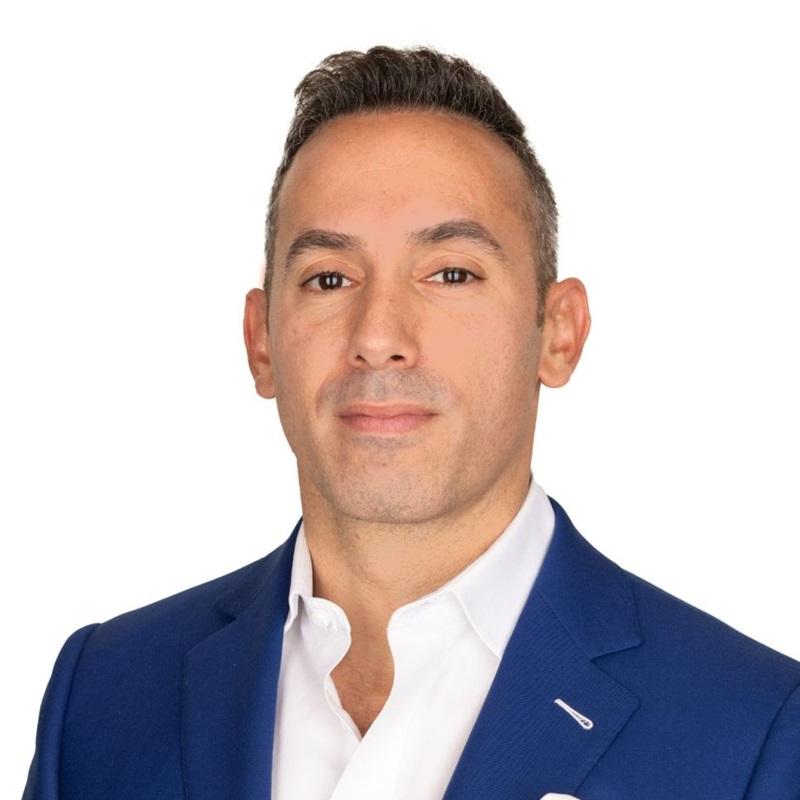
KIN Asset Management is laying the groundwork for a major national expansion as the firm ramps up acquisitions through its new private real estate investment trust.
After a year of aggressive multifamily buying in Montreal, co-founder Jacob Iftah said the Toronto-based company is preparing to enter at least one additional major Canadian market outside Toronto and Vancouver, with first deals expected to be announced in the coming months. The REIT, now the company’s flagship income fund, is targeting $3 billion to $5 billion in assets under management within five years.
The firm plans to build on its Montreal strategy, acquiring older rental buildings and boosting returns through capital improvements, but Iftah said the next phase will broaden both geography and property type.
“We’ll probably start investing in another major Canadian market soon," he said, noting the company also has a short-term investment goal. "We’re aiming for a billion dollars in assets by the end of 2026, diversifying from apartments to other commercial asset classes, but keeping fundamentals consistent: healthy spreads between cost of financing, going-in yield, and asset improvement potential."
Industrial, retail and other cash-flow-stable asset classes are on the table, while office remains unlikely due to ongoing volatility.
Iftah said the shift reflects a focus on predictable, long-term income and markets where rents remain affordable enough to support tenant-friendly upgrades without displacement. While Montreal will remain its core market, KIN has resumed evaluating opportunities in Toronto as prices soften and is positioning itself to scale nationwide.
“Anything with steady cash flow and a healthy spread between cap rates and borrowing costs is attractive to us,” he said. “Generally speaking, I know it sounds a bit weird, but we're very excited about Canadian real estate these days, especially the income-producing part of it.”
KIN growing Montreal portfolio
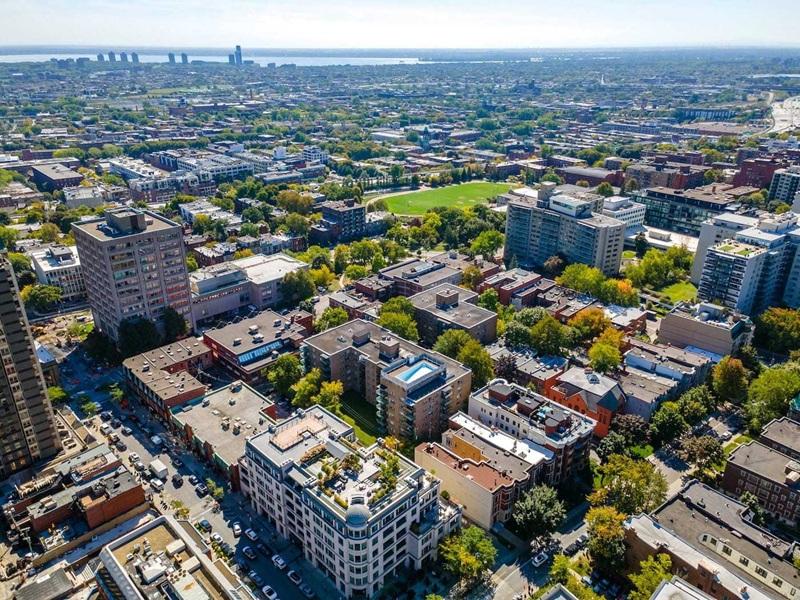
A recent acquisition in Montreal of close to $100 million (the Domaine Choisy, comprising 412 apartments) is just the beginning in the Quebec city. Iftah said KIN is poised to grow its pipeline in the surrounding areas of Montreal by several hundred million dollars.
“We’re about to tie up, I think, a pretty significant portfolio in the tune of $300 million.... We really like what we see in that submarket. We've been buying as much as we could over the last year and a half,” he explained, adding that affordability is a key. “Working people can afford rents in Montreal. Median income relative to Toronto isn’t too far off, but rents are 30, 40, sometimes 50 per cent cheaper. So it’s a much more affordable city.
“Operationally, the biggest apartment owners in the country are generally not from Montreal. They’re from Toronto, Ottawa or elsewhere. Running a building in Montreal has its challenges, but we can add more quality improvements that benefit tenants, and that’s reflected in the rent. We have local operating partners there, and we figured out how to operate locally while investing from Toronto.
“The Montreal market feels like Toronto did 20 years ago. We buy buildings and immediately clean them up because previous owners either didn’t invest in them or were just private owners. There’s also a lower supply, so demand is high. When we improve the units, paint hallways, and make it nicer to live in, tenants are happy to pay more.”
Toronto is much more competitive and professional. There, adding value is harder; fewer buildings allow for simple improvements that generate significant returns.
In Montreal, the market turnover is healthier, around 15 to 20 per cent, because people can afford to move. Affordability and market health make Montreal far more attractive than Toronto or Vancouver.
KIN currently has three assets in Montreal.
"Improving tenant quality of life"
“We have two more to acquire. By year-end, the whole Montreal portfolio will be just shy of 1,000 doors. Across these assets, we’re trying to acquire another 1,000 to 2,000 doors depending on acquisition success. We’re very close on about 1,500 doors to acquire in the next two quarters,” he said.
“All apartment buildings. Older vintages, mostly 1960s and 1970s. We focus on improving tenant quality of life and increasing NOI by investing in energy efficiency. Because Montreal is affordable, we can cap some units under the affordability limit without hurting ourselves financially. Tenants get affordable living, which wouldn’t be as feasible in Toronto or Vancouver.”
While KIN is looking to diversify, he said the private trust it launched targets quality, risk-adjusted returns, aiming for both cash flow and upside for investors.
“We’re starting to look at Toronto again because prices have adjusted to reasonable levels. The biggest issue in Toronto is affordability. We improve assets financially by raising rents, but rents are already very high there. I was one of those tenants not too long ago, and I decided to invest elsewhere because the rent increases in Toronto can push units out of reach for many people.”
Predictable cash flow and a healthy spread between the cap rates or yields relative to the borrowing costs is attractive.
“Offices have a cyclical nature of cash flow , so we’re probably not buyers there. Industrial and retail, and a few off-the-beaten-path assets are interesting. Anything where we can project cash flow over five to 10 years, manage professionally and improve NOI is attractive to us.”


 Industry Events
 Locations