Locations



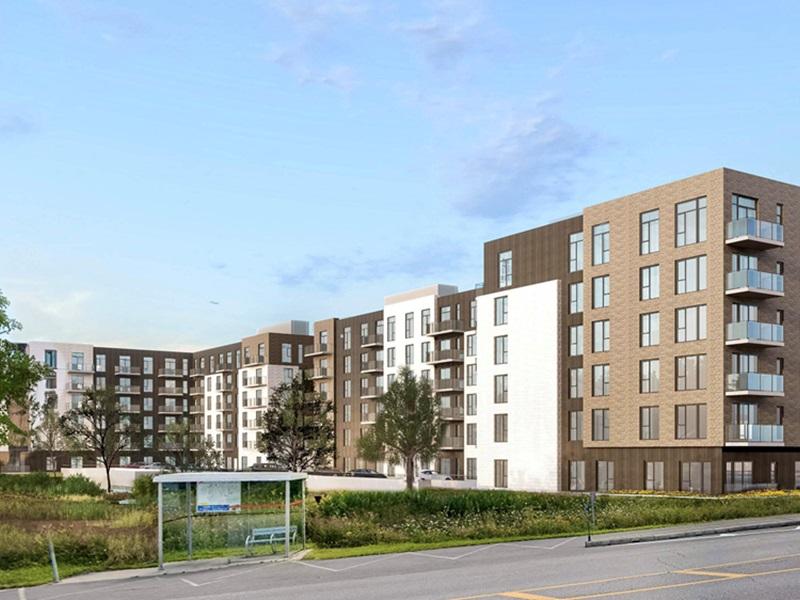
GUEST SUBMISSION: Ottawa's real estate market has experienced a significant increase in new rental development over the past few years.
We reached the highest supply delivery on record in 2025, with more than 4,000 units, and momentum continues with close to 4,200 additional rental units forecast to be completed in 2026, according to Urbanation Ottawa market data.
The demand for rental housing has been fuelled by Ottawa’s rapid population growth, in combination with a stable government workforce as well as a diversified professional services economy which includes notable technology and education sectors. Municipal policy incentives for higher-density housing development have also contributed to this boom.
Another driver, as in other parts of the country, is affordability challenges in the single-family home market, especially for first-time buyers, which is resulting in people remaining as renters for longer periods of time.
This influx of new multifamily rental buildings is significant for Ottawa’s housing landscape, since many purpose-built rental units in the city’s existing stock were built before the 1980s.
But while the demand for new multifamily rentals persists, a growing volume of new supply and a stabilizing population growth rate are likely to push the industry to shift its approach when undertaking new projects. The latest CMHC projections also point to a slowing of purpose-built rental starts in the city, as markets become more balanced and immigration-driven demand slows.
Responding to a changing tide
While overall absorption of rental buildings in Ottawa remains healthy (3.5 per cent vacancy as of Q4 2025) lease-up periods are taking a bit longer than expected due to the new supply. As a result, more apartment owners are offering rental incentives to attract tenants.
On the land development side many developers remain in limbo, focusing on building on land already owned but waiting for optimal timing.
Developers moving forward with projects are proceeding more cautiously as CMHC has made significant changes to its programs that can make it more difficult to qualify. CMHC requirements having the most impact on new project pro formas include construction bonding of the major trades as well as an update to Energy Efficiency MLI Select qualifications scheduled to roll out in September.
Projected rental rates and vacancy rates are also being closely reviewed by CMHC in pro formas.
Opportunities for growth in niche markets
Many local developers and investors we work with want to know how they can still maximize their opportunities with CMHC, despite new criteria and higher premiums.
Looking ahead at how the market is evolving, we believe diversifying with larger units and building to more affordable rents will offer the most potential and the best opportunities for financing. Along those lines, we are starting to hear from developers investigating niche, market-oriented strategies, such as a renewed focus on larger units to attract empty nesters, and a move away from the micro-unit trend that dominated the past five years.
As potential competition increases, there is a greater interest in differentiating new purpose-built rental projects with unique amenity offerings such as workspace areas, coffee shops, tuck shops, fitness spaces, dog-washing stations and car-wash stations. For those catering to younger adults, students, newcomers, and professionals, urban locations, close to transit, jobs and daily amenities continue to offer high value.
Building for more affordable rents
Moving forward, there could be a significant opportunity for developers in certain submarkets to find new, creative ways to build to more affordable rents by removing extra bells and whistles, eliminating balconies and focusing on functional finishes instead of high-end offerings. Developers are also increasingly looking at modular and prefabricated construction methods to lower construction costs and accelerate timelines.
We think the industry in Ottawa will continue to move cautiously through 2026, ensuring steady supply growth while placing a sharper eye on details to ensure the affordability and diversification of new product.
We are excited by the ideas we are seeing emerge from Ottawa’s leading developers, and how these projects will bring new vibrancy to the urban fabric of Canada’s capital.


 Industry Events
 Locations