Locations
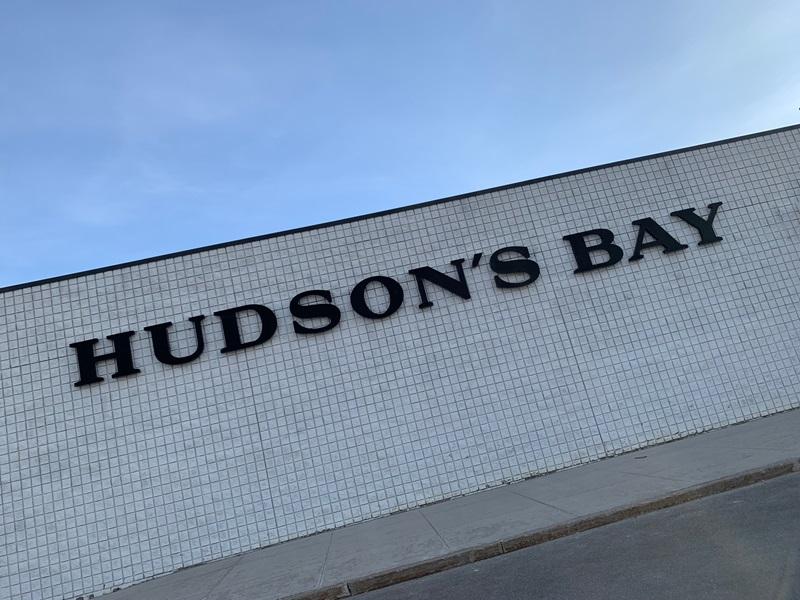




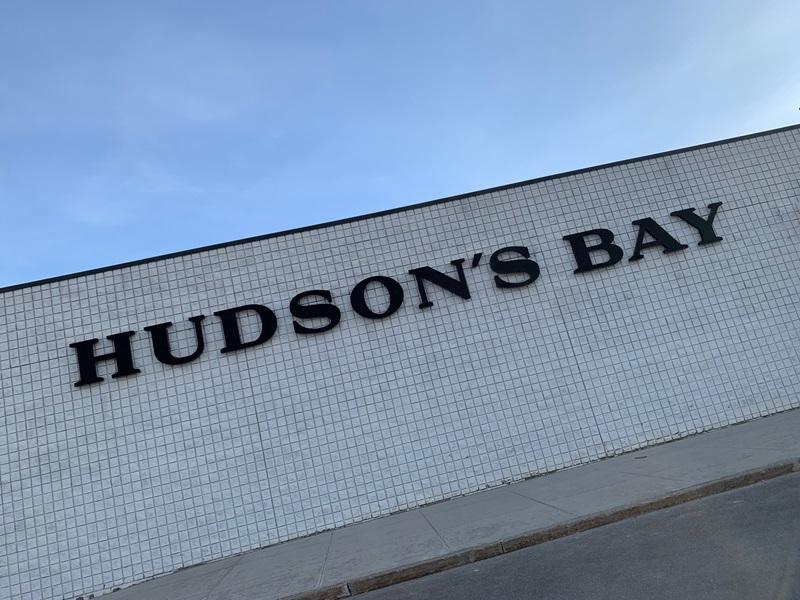
Sixty-five per cent of the 96 department store spaces left vacant by last year’s demise of Hudson’s Bay Company (HBC) will be committed to new tenants within two years, a new JLL report forecasts.
JLL executive vice-president of retail Brodie Henrichsen told RENX his firm had been in touch with HBC landlords even before the retail chain declared bankruptcy, so it has a good understanding of what’s happening in all the locations.
“The writing has been on the wall for many years, since the U.S. ownership took over,” Henrichsen said of HBC’s closure. “But I think there are brighter days ahead and this will result in a more dynamic and vibrant retail environment in malls across the country.”
JLL forecasts at least 78 per cent of the HBC square footage will likely retain retail uses while 22 per cent will be redeveloped.
Composition of former HBC stores
Forty-one per cent of the former HBC square footage is in Ontario, 19 per cent is in British Columbia, 17 per cent is in Quebec, 16 per cent is in Alberta, three per cent is in Manitoba and two per cent is in Saskatchewan. The majority of HBC stores were located in Vancouver, Edmonton, Calgary, Toronto, Ottawa and Montreal.
The empty stores represent close to 15 million square feet of available space and landlords are expected to subdivide most of the boxes into smaller units and follow a multi-tenant strategy in order to lease them.
The prime, transit-oriented nature of many former HBC locations remains their greatest asset, which should help attract serious interest from a new generation of expanding tenants. Lower-tier locations or multi-floor properties might take much more time to absorb.
Limited new shopping centre construction and constrained space availability should drive retailers to absorb the former HBC locations, but it will likely be a time-consuming and expensive process due to the complexity of subdividing large spaces, negotiating multi-tenant configurations and completing necessary renovations.
Renovating spaces will be expensive
“It's very expensive to divide them up,” Henrichsen said. “They weren't ever intended to be demised, they were intended to be one department store forever.
“It takes a lot of time and effort, and you really have to think through it to figure out what's the best fit for your mall to make it prosper in the future.”
Several older HBC stores will also require things such as new roofs or heating, ventilation and air-conditioning systems, leading to major investments by both landlords and tenants. Henrichsen expects most leases to be for at least 10 years, with some that include options extending up to 30 years, to help amortize some of these costs.
“I think there are some deals that are very close, but I think if there were leases signed on any of them they would have been announced by the landlord,” Henrichsen said.
Even if leases are signed, Henrichsen said it could easily be three or four years before new businesses open in these spaces. He doesn’t envision any new openings until early 2028 because of the work that will have to go into the locations.
Potential new tenants
The average shopping centre lease in Canada is for about 3,700 square feet, while HBC boxes average 152,000 square feet and some are much larger. JLL expects them to be subdivided into mid-format spaces of 15,000 to 40,000 square feet.
Henrichsen said users that would make sense for those spaces would include: gyms and fitness centres; pickleball court providers; The RecRoom or other entertainment venues; grocery stores; TJX-owned retailers such as Winners and Marshalls; UNIQLO; IKEA; and Simons.
“There are a number of retailers trying to make an entrance in that 15,000- to 20,000-square-foot range, right up to 50,000 to 60,000 square feet on the large-format fitness side,” Henrichsen said.
A unique proposal has been put forward for a $400-million transformation of the 135-year-old, 655,000-square-foot former HBC location at 585 Sainte-Catherine St. W. in downtown Montreal.
James Bay Eeyou Corporation and JHD Immobilier announced a bid last September to acquire and transform the nine-storey building into a cultural and heritage landmark dedicated to the fur trade and exchanges between the Cree Nation and HBC. It would include an Indigenous cultural centre, experiential spaces, retail showcases, mixed-use facilities and a hotel complex.
Examples from the past could provide insights
There are lessons to be learned from the large Sears and Target department store closures from the previous decade. Those locations averaged closer to 100,000 square feet in size, but their overall national footprint was in the 15-million-square-foot range.
The JLL report provides case studies of what’s been done to repurpose large vacant retail boxes in major Canadian cities.
There are no large department stores looking to expand in or into Canada, Henrichsen said, and existing chains that might be capable of leasing stores of 100,000 square feet or more are limited to the likes of Walmart, Canadian Tire, and large food and grocery groups.
“There are obviously less retailers today to backfill these boxes than there was with these other larger users,” Henrichsen said. “Back when these other ones were done, Lowe's was trying to get into the country and got a bunch of the Target stores and Walmart got a bunch of the Target stores.”
Residential densification is becoming less likely
Although HBC sites offer attractive densification potential, current headwinds for high-density residential development are creating hesitation. Attempting a full redevelopment means fighting an uphill battle against difficult financing, high construction costs, slow municipal approvals and a deeply challenged condominium market.
“Had this happened in 2018 or 2019, and probably even up until 2022 when interest rates started to rise, I think you would have seen a large number of these boxes redeveloped into residential,” Henrichsen said.
“But today there's just not the residential demand that there was 24 months ago and, as a result, retail is going to win and that's going to be the focus.”


 Industry Events
 Locations