Locations



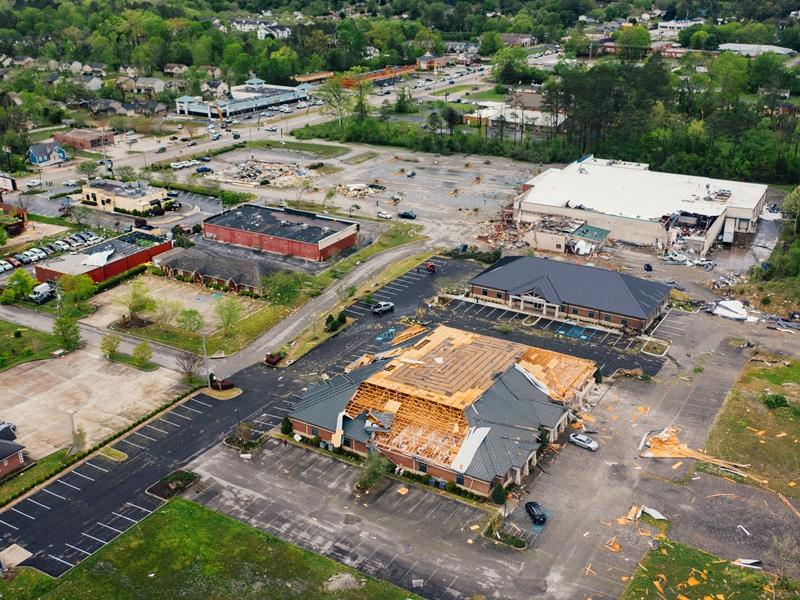
GUEST SUBMISSION: Commercial properties don’t stay the same, and neither do the risks that come with owning them. A building may have the same address and use as it did five years ago, but the cost to repair it, the condition of its systems, and the risks around it may look very different today.
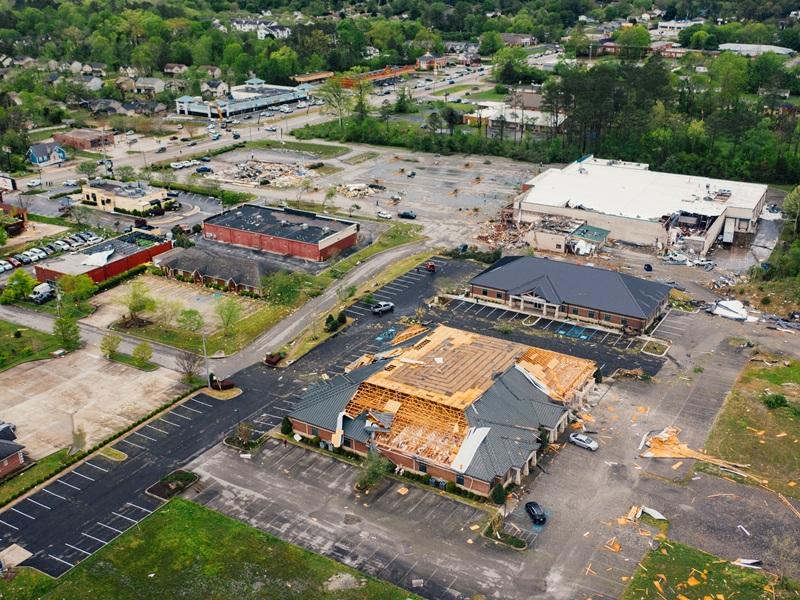
Severe weather is one of the clearest examples. More than 87,000 Canadian businesses experienced financial losses from severe weather and natural disasters over the past decade, according to the Insurance Bureau of Canada (IBC).
At the same time, rebuilding has become more expensive. IBC reported that non-residential building construction costs were 39 per cent higher in early 2025 than in the first quarter of 2019.
That makes it important for owners to look at their properties with fresh eyes. Renovations, aging roofs or mechanical systems, new equipment and changes in tenants or building use can all affect the risks a property faces.
Simply renewing the same insurance program each year does not necessarily mean the coverage still reflects what it would actually cost to repair the building and recover from a major loss. IBC has specifically warned that rising rebuilding costs and longer recovery timelines can leave businesses underinsured when valuations or business interruption assumptions have not kept pace
Historical assumptions may not reflect today's exposure
One of the easiest mistakes to make is treating an annual insurance renewal as confirmation that the property's risk profile has been fully reassessed. A commercial building can change considerably between renewals.
Since coverage was first arranged, an owner may have renovated the building, added expensive equipment, upgraded major systems or brought in tenants who use the space differently.
Replacement cost is another important consideration. Properties should be valued based on current rebuilding costs, including labour and materials. As those costs change, older valuations may no longer reflect what it would actually cost to rebuild after a major loss.
This is why owners should periodically step back from the renewal itself and ask a broader question: What has changed about this property since its risks were last thoroughly assessed?
What are insurers looking at more closely
As property risks become more complex, insurers want a clear picture of the individual property they are being asked to insure. Factors like the building’s age and construction, roof condition, electrical and plumbing systems, heating and cooling equipment, claims history, and location can all help an insurer have a better understanding of the risk.
Exposure to flooding, wildfire, or other location-specific hazards may also factor into that assessment.
How the property is maintained matters too. Replacing aging systems, completing preventative maintenance and taking steps to reduce water or other damage can help show how risks are being managed.
Owners should keep records of upgrades, inspections and maintenance because having current information gives the broker and insurer a clearer picture of the property and any steps taken to reduce potential losses.
Where commercial property owners overlook coverage gaps
Coverage gaps do not always come from deliberately choosing less protection. They can develop gradually as a property changes, meaning coverage that made sense several years ago may no longer reflect the building or how it is being used today. Some areas owners should review include:
- Business interruption: Consider how long it could realistically take to repair significant damage, replace specialized equipment, and return to normal operations.
- Equipment breakdown: Mechanical, electrical, and other specialized systems can create exposures that may be overlooked in standard property coverage.
- Renovations and construction: Work being completed at the property can temporarily change its risk and may need to be discussed with an insurance broker.
- Liability: New tenants, different uses of the space, or changes in visitor traffic can introduce exposures that were not present when coverage was first arranged.
The goal is not necessarily to buy more insurance. It is to make sure the coverage in place still reflects the property, its operations and the risks owners actually face today.
How to build a more resilient property risk strategy
A more resilient approach starts with treating risk management as an ongoing process.
Owners can periodically review rebuilding values, building systems, occupancy, operations, and physical vulnerabilities with their insurance broker. Significant renovations, equipment purchases or changes in use should also prompt a conversation rather than waiting automatically for the next renewal.
Documentation matters too. Keeping records of roof replacements, electrical upgrades, plumbing work, inspections, preventative maintenance, and other improvements can help demonstrate how the property is being maintained and where risks have been addressed.
Risk management can also be considered alongside capital planning. If an aging roof, drainage system, or piece of mechanical equipment is already approaching replacement, understanding its potential insurance and operational implications can help owners prioritize investments more effectively.
No commercial property is risk-free, and not every change requires a different insurance solution.
The more important question is whether owners have an accurate picture of the property they are protecting today.
Regularly reassessing that picture can make it easier to identify gaps, communicate clearly with insurers, and make informed decisions before a loss reveals that old assumptions no longer apply.




 Industry Events
 Locations