
 Locations





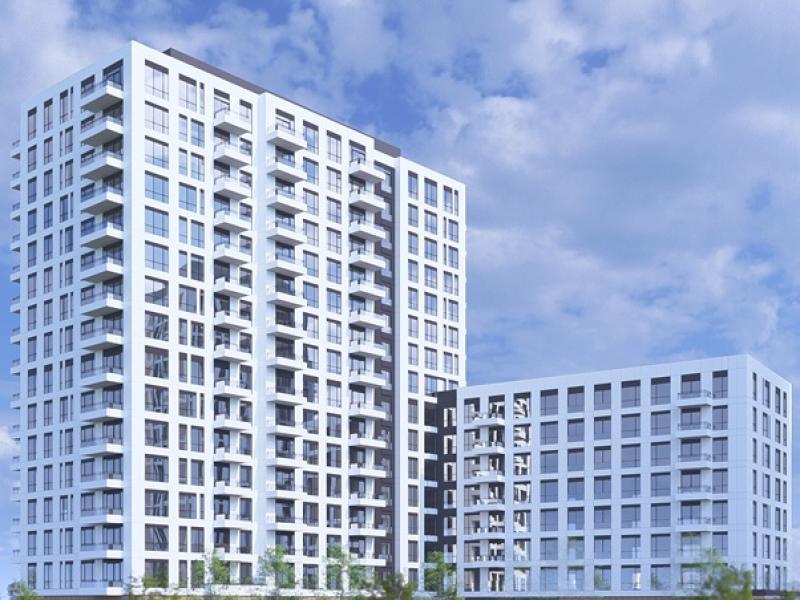
The Rose Corporation's proposal for a master-planned community in Oakville with 14 new buildings and 5,600 homes has taken a major step forward after receiving key approvals from the town last night.
The company announced this morning the town council unanimously approved the Official Plan Amendment and Zoning By-law Amendment applications for the 27-acre community at 420 South Service Rd. E. The announcement said the plans also drew strong support from area residents.
"From the beginning, we believed the best communities are created together," Rose Corporation president Daniel Berholz said in the announcement. "The ideas, questions and feedback we received from Council, Town staff and residents challenged us to think differently and ultimately helped us shape a plan that better reflects Oakville's vision and the community's priorities."
"We are excited to build on that collaboration and transform this remarkable site into a vibrant new neighbourhood that future generations of Oakville residents will be proud to call home," he added
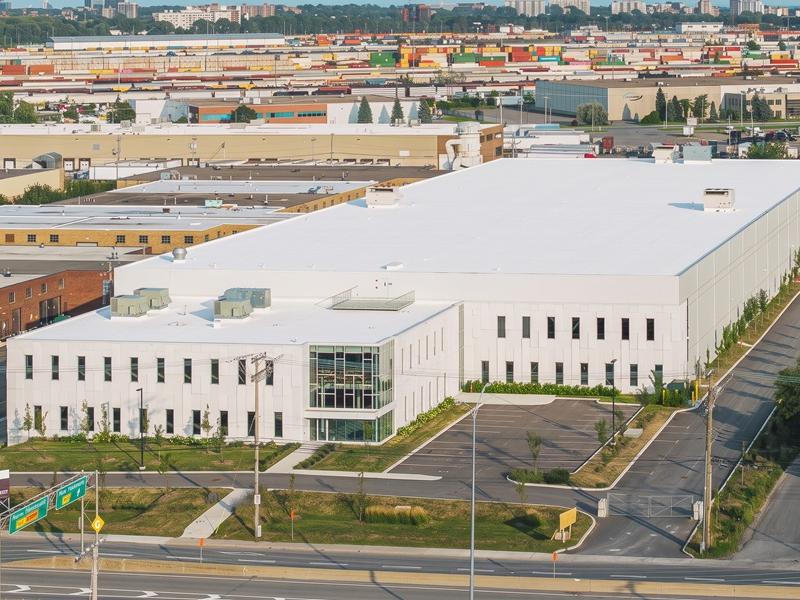
The community will rise on the grounds of the former General Electric manufacturing site, located just east of Trafalgar Road.
Purchased the land in July 2024
The Rose Corporation acquired the land - the largest redevelopment parcel in Midtown Oakville - two years ago for $45 million. The land underwent remediation before the sale but the proposal will transform underutilized brownfield employment lands into a high-density, mixed-use community.
“What attracted us to the site was the vision they have for this area, and that is aligned with our vision, which is building housing and having complete communities that include residential, commercial, office and active transportation with bus rapid transit and an expansion of the GO station,” Berholz told RENX at the time of the acquisition.
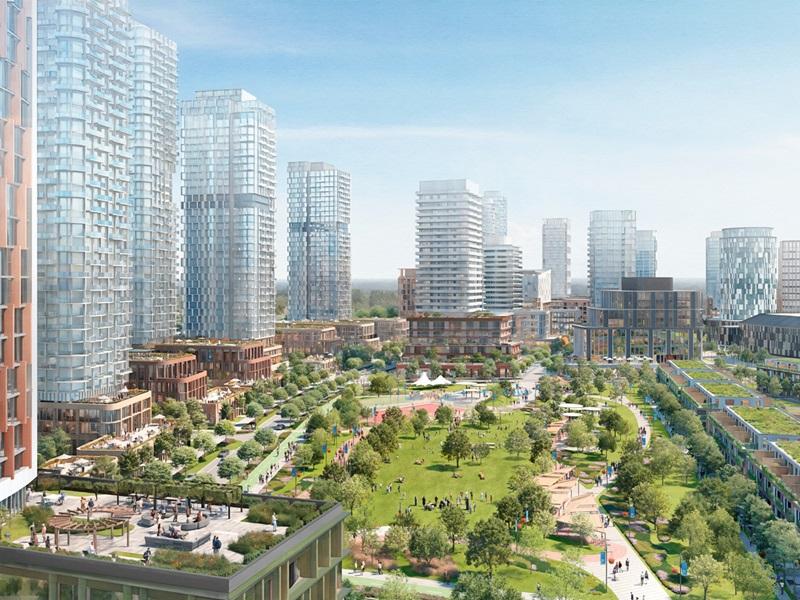
In addition to the residential component, Rose Corporation said the community will include substantial at-grade retail and other non-residential uses and approximately five acres of fully integrated parks and open space.
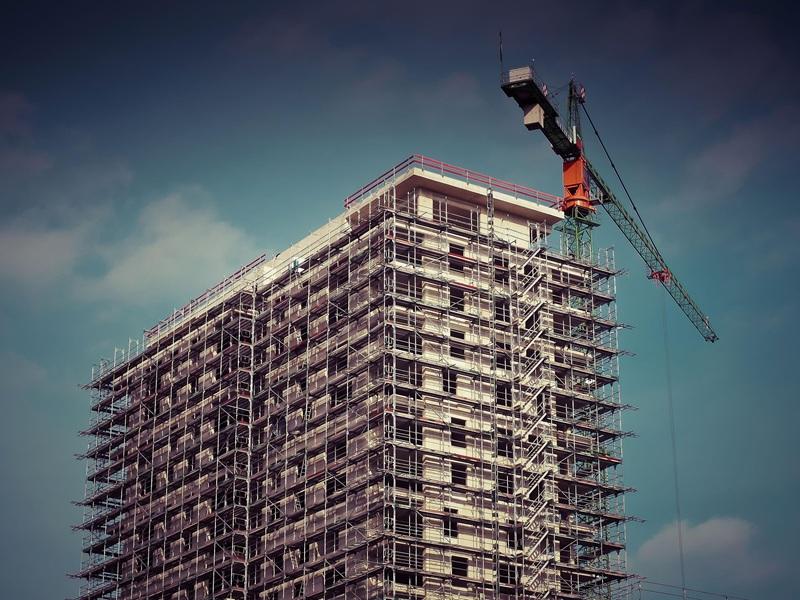
The company is targeting late 2027 for the start of construction on the first phase, a purpose-built rental apartment building.
A transit-oriented community
The site will also benefit from exceptional transit connectivity. "The proposed Trafalgar Road Bus Rapid Transit line and regional GO bus service are planned to run through the development, with a new transit stop within the community," the announcement said. Oakville GO Station is approximately a 10-minute walk away.
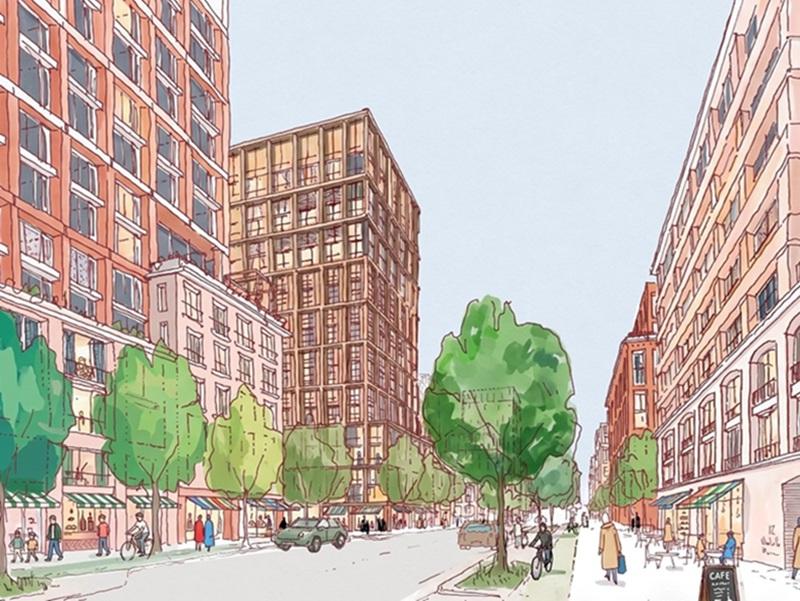
A retail-oriented "high street" is planned to centre the development as well as two public plazas, a network of parks, pedestrian connections, open spaces, an activated "Bentway-style" underpass and and a timber-beam pedestrian bridge at the south end of the site providing a safe pedestrian connection over the future north-south arterial road.
The Rose Corporation said the the project drew inspiration from Oakville's existing downtown streetscape.
"We worked closely with our design team to thoughtfully respond to community feedback and the Town's vision for Midtown while creating a world-class destination that will support future residents, enrich the broader community, and attract visitors," David Bannerman, vice-president of development, The Rose Corporation, said.
"The proposed design is firmly rooted in the character of Oakville's downtown and neighbourhoods, while drawing on European experience in creating human-scaled, walkable streets and public spaces."
The team included Canadian architects Graziani & Corazza, Danish landscape architects SLA and British architects Allies and Morrison.
About The Rose Corporation
Founded in 1982, The Rose Corporation is a real estate development and asset management organization. Since 2014, it has focused on the development and construction of mixed market and affordable purpose-built rental apartments and low-rise single-family subdivisions throughout the Greater Golden Horseshoe.
Rose is at various stages in the development process for over 10,000 new homes with completion values exceeding $6 billion.


 Industry Events
 Locations