


 Locations






GUEST SUBMISSION: Canada's workplace is evolving. As organizations adapt to changing employee expectations and cities continue to grow, conversations about the future of office have largely focused on what comes next.
New developments, emerging workplace trends and evolving tenant expectations continue to shape the discussion.
But there is another important opportunity that deserves greater attention: thoughtfully reinvesting in the office buildings that already anchor our cities.
For long-term owners, the future of office isn't simply about building new. It's about continually investing in the places that already serve businesses, workers and communities, ensuring they evolve alongside the cities around them.
Signs of recovery are adding urgency to this conversation. According to CBRE’s third-quarter 2026 office report, Canada recorded a fifth consecutive quarter of positive net absorption, with gains in nine of 11 markets. Downtown vacancy also declined for a fifth consecutive quarter.
Yet the widening vacancy gap between premium and lower-tier buildings underscores that recovery is not being shared equally.
Owners must take a long-term view
For owners, these signs of recovery reinforce the importance of taking a long-term view. New development and reinvestment in existing properties both have a role in meeting tenants’ evolving needs. For established office buildings, the priority is to direct capital where it can improve the tenant experience, strengthen building performance and sustain relevance through changing market conditions.
Across Canada's largest urban centres, many office buildings occupy some of the country's most connected and desirable locations. They are integrated into established neighbourhoods, surrounded by transit, restaurants, retailers, residential communities and public spaces that contribute to the vitality of city centres.
While many were designed decades ago for a different era of work, their locations, connectivity and long-term value remain as relevant as ever.
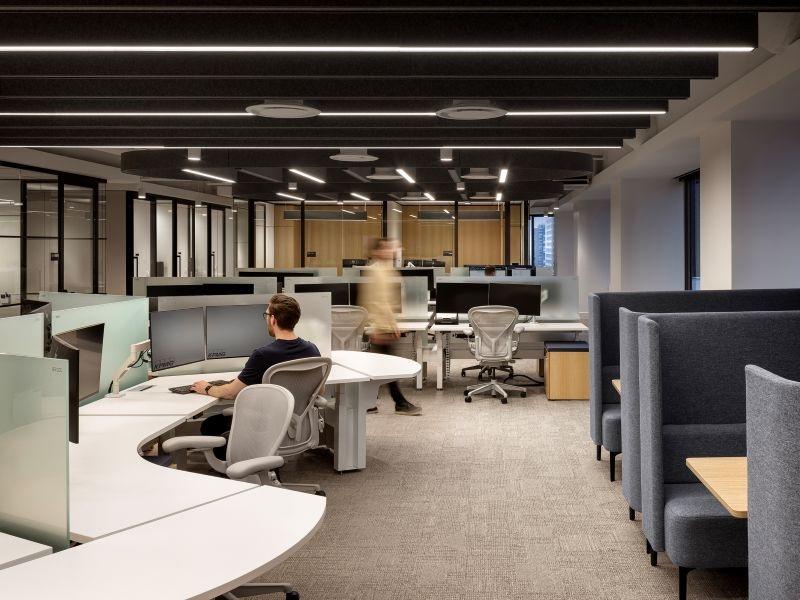
Today's tenants expect more than traditional office space. They increasingly value workplaces that support collaboration, employee wellness, flexibility and convenience. Shared amenities, hospitality-inspired services, wellness facilities and thoughtfully designed common areas have become an important part of the overall workplace experience.
At the same time, office buildings play an important role beyond the organizations they house. They support retailers, restaurants and local businesses, complement surrounding residential neighbourhoods and help create active, connected city centres throughout the day. As more people choose to live in urban cores, successful office buildings are increasingly becoming part of a broader community rather than simply a place of work.
Rather than viewing existing office buildings simply as assets to maintain, long-term owners have an opportunity to continually reinvest in them. Thoughtful modernization can respond to changing tenant expectations while extending the life and relevance of valuable real estate in locations where new development can be increasingly complex and time consuming.
At QuadReal Property Group, our office team draws on market knowledge and tenant insights to shape a reinvestment strategy that goes beyond preserving existing buildings. It is about continually investing in them, so they evolve alongside changing tenant expectations and the communities they serve.
The investment rationale connects these priorities: creating lasting value depends on buildings that continue to meet people’s needs.
That begins with understanding a building’s role in its market and identifying where investment can best support its future performance and tenants’ needs. In practice, that requires weighing visible improvements alongside essential building systems, operating efficiency and future maintenance needs.
Capital planning considerations
Capital decisions consider how an investment will serve tenants today and how it will perform over the building’s remaining life. Putting those priorities into practice requires careful planning, including how improvements are sequenced and how disruption to tenants is managed.
Delivering that value also requires collaboration across the investment team, leasing, capital management, and property operations teams. Those closest to tenants can help identify everyday needs, from reliable services to spaces that support different ways of working.
Bringing that insight into capital planning helps connect investment decisions to the experience of the people using the building.
At 145 King Street West in Toronto, this long-term approach is reflected in a comprehensive revitalization that is introducing contemporary tenant amenities, collaborative workspaces and an enhanced arrival experience designed to reflect how people work today.
The investment demonstrates how an established office building can evolve to meet changing tenant expectations while continuing to serve the businesses that call it home.
A similar approach is guiding the ongoing revitalization of Commerce Court. Planned improvements extend beyond aesthetic upgrades to include enhanced wellness amenities, improved end-of-trip facilities, renewed public spaces and important infrastructure renewal.
Together, these investments are intended to improve the everyday tenant experience while positioning one of Toronto's landmark office campuses for its next chapter.
These projects reflect a broader belief that existing office buildings should not be viewed as static assets, but as places that require continual investment to remain competitive while continuing to contribute to vibrant, mixed-use neighbourhoods.
As conversations about the future of office continue to evolve, they should not focus exclusively on what will be built next. Existing office buildings already form the foundation of many of Canada's most connected urban centres. With thoughtful, long-term reinvestment, they can continue to attract businesses, strengthen downtown economies and support thriving communities for generations to come.
The next phase of office recovery should be viewed as an opportunity for thoughtful investment. Renewed leasing activity alone will not secure a building’s long-term relevance.
Owners who connect disciplined capital investment with an understanding of tenants’ changing needs will be better positioned to sustain performance through future market cycles and strengthen the role their buildings play in the life of our cities.


 Industry Events
 Locations

