


 Locations

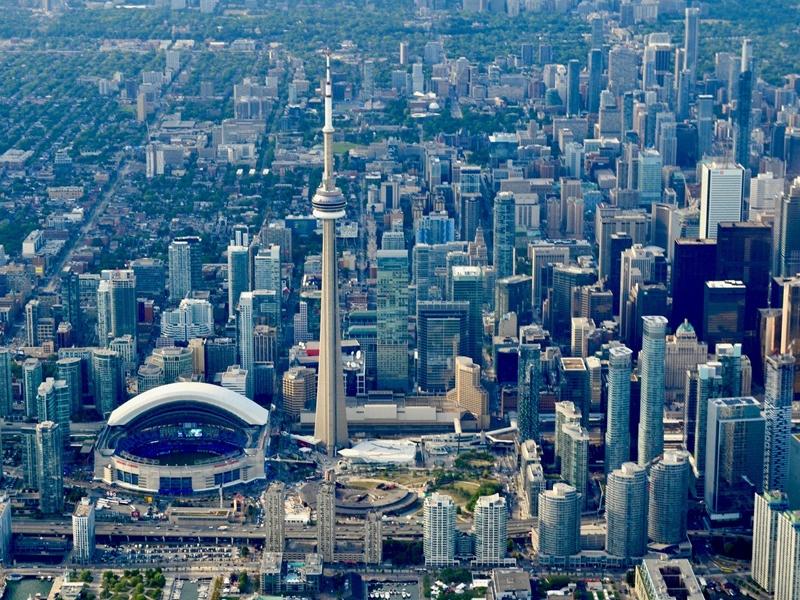





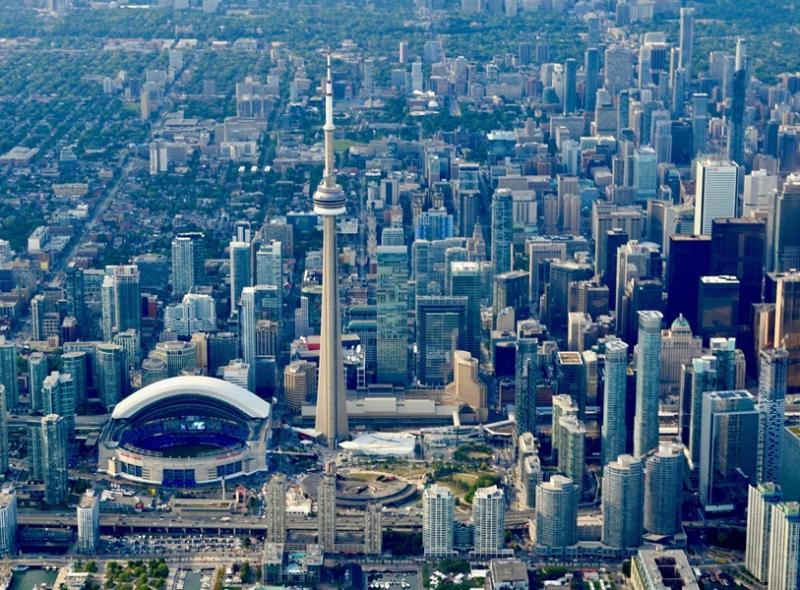
A correction and stabilization phase is underway in Toronto’s distressed real estate market, but industry experts caution that a broader bottom may stretch into 2027 or 2028 as lenders and developers navigate an unprecedented inventory overhang.
Speaking at an Oct. 30 Urban Land Institute (ULI) Toronto webinar, real estate, legal and insolvency leaders examined the fallout from the GTA’s condo boom and bust – and how opportunistic capital is beginning to move the market.
“Rapid interest rate hikes by the Bank of Canada beginning in 2022 slammed the brakes on the market, along with cutbacks in immigration, sending composite benchmark prices down significantly,” said Andrew Kidd, senior vice-president of private investment firm NorthWest Value Partners Inc.
“So we're now in the correction and stabilization phase, and the market's been working through this correction and inventory adjustment, with analysts eyeing a potential broader bottom and stabilization extending through 2027 and 2028."
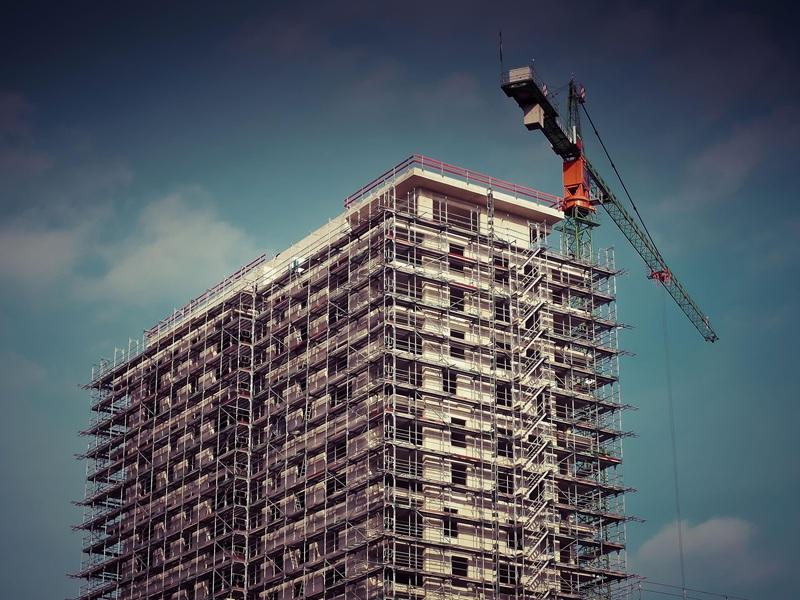
The current market has what seems to be "immovable inventory from dead pieces of land without zoning, up to partially built projects, and properties aren’t quite moving yet," he added. “Some are in up to two or three years of their receivership cycle, with limited transactions."
But a reluctance to accept low bids is keeping a recovery sluggish.
“Some bids are under 50 per cent of asking, and banks are out a lot of money, but they're not yet prepared to take a discount,” Kidd said.
The end of the condo boom
Adding context to the shifting market, Jonah Brown, a partner with institutional mortgage broker Oakbank Capital Group, talked about the capitalization differences between condo and purpose-built rental apartment development and the large margins that could be made until earlier this decade through building condos.
Land values kept increasing throughout the condo boom period and lenders were happy to finance transactions since optimism abounded.
“When the for sale market dried up, there was no longer a way to advance that land as a condo project and it's just not worth the same when you're looking at the silo of rent,” Brown said.
“And for that reason, land values compress and borrowers can no longer refinance their debt, replace their debt or sell their land. At a certain point in time, a lender has to step in and say, ‘How am I getting paid back?’”
Lender options
When distressed situations emerge, lenders navigate a hierarchy of legal remedies, explained Tushara Weerasooriya, a partner in restructuring and insolvency at McMillan. These range from initial negotiations – such as waivers, extensions, forbearance agreements and self-liquidation – to formal enforcement options including power of sale, judicial sale, foreclosure and court-appointed receivership.
“Receivership is not option number one ever,” said Weerasooriya. “The first option for a lender is to think about what accommodations they can give the developer to keep the music going for a period of time until they see the return of some activity in this sector.”
Receivership has become the most popular choice for stalled condo projects if initial negotiations don’t lead to an outcome. Judicial sales and foreclosures have become very rare, according to Weerasooriya.
“The day that receivership order gets issued, we work for the court and no longer work for the lender, and our powers are all set out in the receivership order,” said Noah Goldstein, a partner and managing director with financial advisory and global consulting firm AlixPartners.
The receiver evaluates what the next best steps should be in order to make sure that properties are stabilized and then to maximize value for creditors.
Distressed properties are selling in Toronto
While Toronto has the most distress in Canada by far, according to Colliers executive vice-president and head of its private capital investment group, Jeremiah Shamess, things are turning over quickly.
“The Toronto market was very quick to react to the bad market, whereas Vancouver is in the middle of it, Montreal is just starting and Calgary's not there yet,” said Shamess.
There was $8-billion worth of development land sold in Toronto in 2022, and Shamess said it has become the worst asset class because holding costs give it a negative value when nothing’s being built on it.
Shamess said it makes the most sense to go through receivership on projects that have launched and have a number of stakeholders but, for land where no action has yet to be taken, forbearance agreements are often the best way to go because the developer still gets a say and it can keep costs down.
“There are a lot of transactions starting to move because lenders are basically saying, ‘Let's get rid of the debt and move on,’” said Shamess. “Toronto's market, I believe, is going to be the first in Canada to clear the bad debt.”
Bulk discounted condo unit purchases by the likes of High Art Capital and Jesta Group are playing a part in enabling developers to clear their capital stacks and start fresh without having to deal with distress measures, Shamess added.
“We have a number of vulture funds that are starting to form and raise capital because they see opportunities,” Shamess said. “A lot of out-of-province groups haven’t had the same debt problems so they're coming in to buy these properties.
“Almost all the recent deals we've done have been with non-typical Toronto groups. The biggest opportunity is if you have all cash and are quick closing, then you're going to be very attractive to a lender.”
Lessons to be learned
“I'm not going to say there were bad actors in the condo industry but every single person and their dog and their sister became a condo developer in the previous 20-year cycle and, as a result, you were getting bad zoning and bad product — and we’re all familiar with that product in downtown Toronto,” said Brown.
“What we're going to see on the other side of this is that it will take skill and expertise to be a developer. It's going to take thoughtful design and good locations, and I think it can be a better city being built coming out of the next cycle until we hit the peak again in the future.”
Weerasooriya agreed and hopes developers will learn to build what people, and particularly families, need — especially since the populations of Canada’s largest cities will continue to increase and they’ll need places to live.



 Industry Events
 Locations

