


 Locations







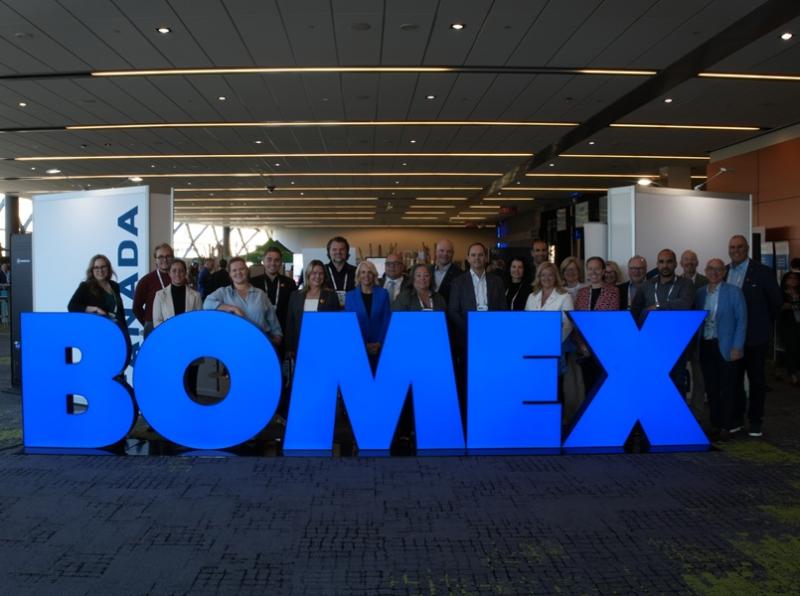
At BOMEX in Ottawa this fall, discussions about climate resilience and artificial intelligence kept returning to the people expected to put them into practice.
Property managers are being asked to assess climate hazards, prepare buildings for extreme weather and help their organizations adopt AI responsibly.
Each brings new work to teams already managing the daily demands of a property.
The conference offered practical advice on both.
It also raised a question for owners: do the people responsible have the time, information and support to carry out the plan?
Putting a dollar figure on risk
BOMA BEST 4.1 asks buildings to screen their exposure to past and future climate hazards, rank the risks and translate them into financial terms. A resilience plan must then address those risks, including emergency preparedness, training and communication.
One case study examined a Toronto property with elevated flood risk. The proposed measures cost about $45,000: flood sensors for the elevators, protection for critical equipment, raised sills and sump pumps. The modelled reduction in climate value at risk was roughly $450,000.
That figure gives a finance committee something concrete to consider. It describes a potential loss avoided, rather than revenue generated, and should be presented as such. The case for investment depends on understanding the exposure and what the proposed measures would reduce.
Insurers have an interest in that calculation too. Bringing them into the discussion early can help owners assess the measures alongside their insurance arrangements.
One operator described incorporating resilience into each capital project. That approach makes climate risk part of the decisions already being made about a building, with a budget and a timetable attached.
It also allows owners to act on their most concentrated exposure first, then adjust as they learn. Waiting for a complete solution delays work that could reduce risk now.
Resilience starts outside
For those of us responsible for the outside of buildings, these discussions have immediate implications. Heavy rainfall, ice storms, freeze-thaw cycles and extreme heat all affect how a site functions.
Drainage, catch basins and grading help keep water away from the building. Their condition belongs in the risk assessment, and their maintenance belongs on a schedule. Discovering a blocked drain during a storm leaves little time to respond.
The same applies to emergency planning. Who gets called, how quickly crews can arrive and which areas they attend to first should be agreed before the season starts. The people clearing a lot at 4 a.m. or inspecting a site after a windstorm also need to know which vulnerabilities to report and who can act on them.
A maintained tree canopy cools a site in August; neglected trees can become hazards in high winds. A salt plan that keeps a site safe with less product also helps limit damage to concrete, planting and waterways. These decisions connect daily maintenance to the risks owners are trying to manage.
Tenants need to be part of the plan
Climate preparedness also requires a conversation with tenants about how an event could affect their operations and what each party will do. Responsibility can be unclear, and arrangements differ from lease to lease.
Some owners are using tenant sustainability guides and memoranda of understanding to begin that collaboration outside the lease itself. These give owners and tenants a way to discuss responsibilities before a disruption forces the issue.
AI adds another demand on the team
The AI sessions raised a similar problem of oversight. Many organizations cannot say who is using which tools, what data they are entering or whether the tools are helping.
One comparison captured the problem well: spending on AI without that visibility is like running a building without metering the utilities.
The advice was practical. Managers need to set policy, and executives need to provide approved tools and training. Staff need to verify sources and check the work. When choosing where to begin, organizations should consider how consequential an error would be and how easily it could be corrected.
Those responsibilities take time. An AI policy adds work for the same managers being asked to implement a resilience plan.
Giving people the capacity to act
A risk assessment is useful to an operations team when it identifies specific vulnerabilities and gives people enough information to respond. Sustainability teams need to work through those findings with the people running the building, including asking what they can realistically take on.
The choice of exterior partners matters here too.
During a storm, a property manager coordinating separate providers for snow, landscaping and site services can spend valuable response time making calls. A partner familiar with the property's vulnerabilities, with responsibilities agreed and crews ready, reduces that burden.
Owners should be asking who will carry out each part of the plan, what else is already on their desk and what support they need. The answers belong in the resilience discussion as much as the hazards do.




 Industry Events
 Locations

